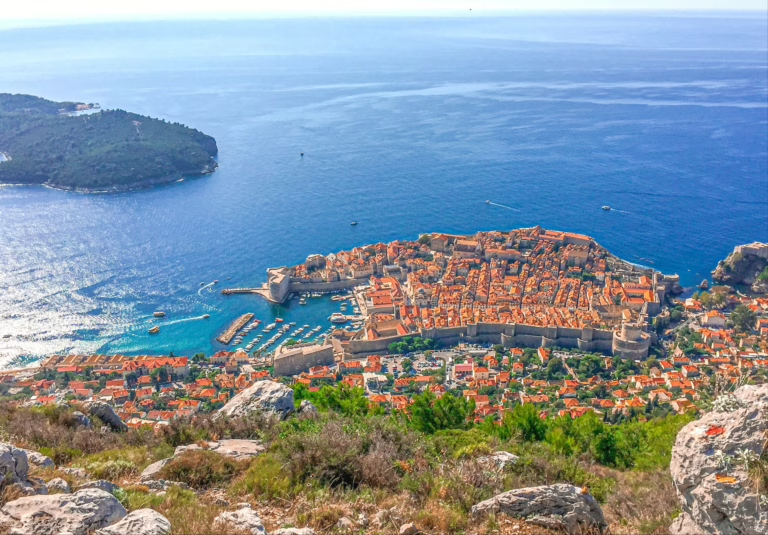
From the first time we set foot in the country, we have counted many of the most beautiful places to visit in Croatia among our favorite destinations in the world.
With each trip, we seem to not only check off a few more items from our list of the best places to visit in Croatia, find a few unexpected corners, and fall a little further in love with the country. We also seem to consistently leave with a longer Croatia bucket list than we started with!
Planning a trip to this stunning country on the Adriatic and ready to start brainstorming where to go in Croatia?
From towns boasting endless terracotta rooftops along the sparkling Dalmatian coast to the waterfalls of Croatia’s national parks to the unexpected charm of its capital, here are some of the most beautiful places in Croatia to visit!
Table of Contents
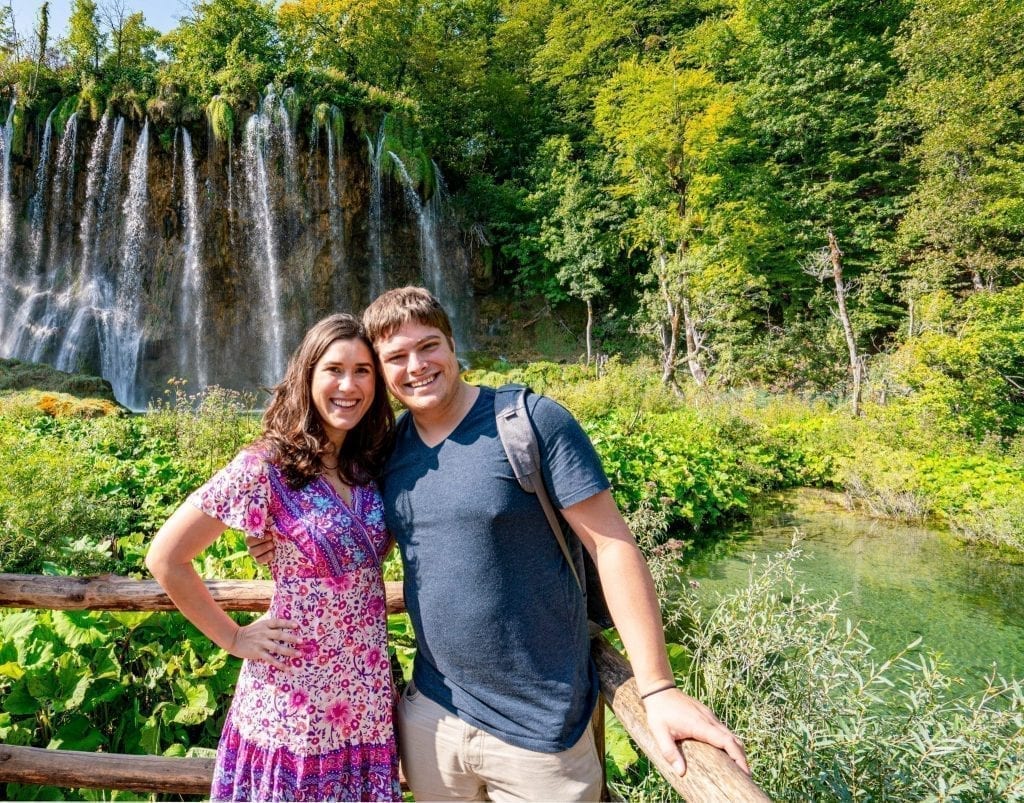
Planning your trip to Croatia at the last minute?
While you could easily spend months or years exploring all the iconic destinations and hidden gems in Croatia, most travelers don’t have that long!
If you’re hoping to cover the top highlights in Croatia fast, our recommended 10-day Croatia itinerary is designed specifically to give first-time visitors a taste of a variety of different Croatia travel destinations.
In addition to lots of other experiences, it covers what we consider some of the absolute top Croatia travel experiences:
- Walking the Dubrovnik City Walls (independently or as part of a walking tour)
- Marveling at Plitvice Lakes National Park (we recommend renting a car and driving, but you can also book a day trip there)
- Visiting at least one Croatian island (we highlighted Hvar)
- Exploring the Croatian coast by boat (this day trip is wildly popular)
Beautiful Cities + Towns to Visit in Croatia
Dubrovnik
From Trijit of Budget Travel Buff
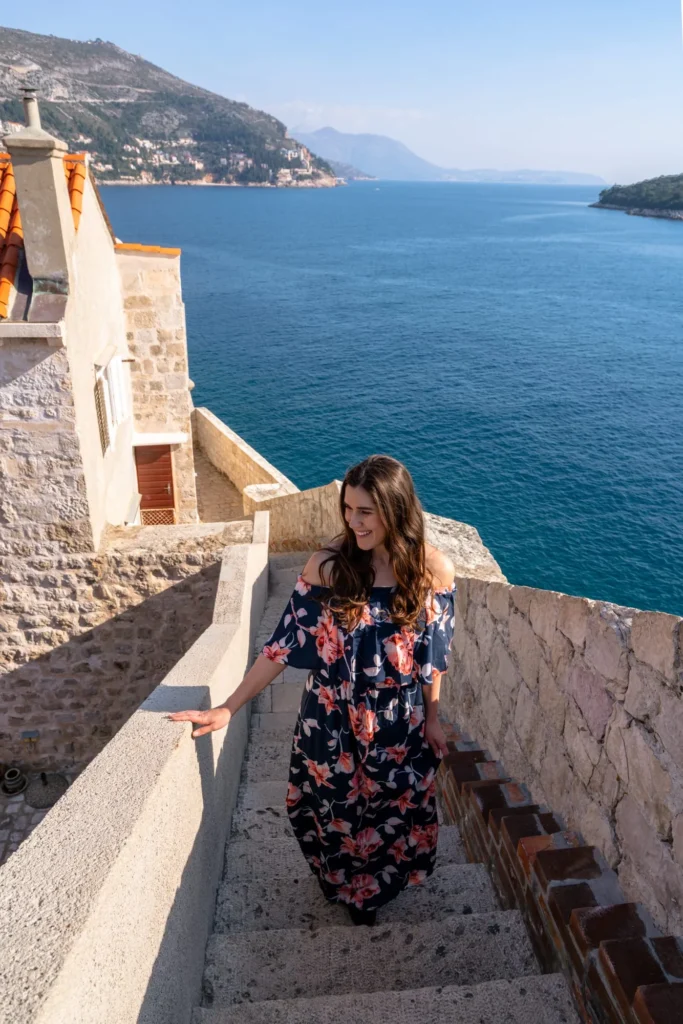
Located along the Dalmatian Coast in southern Croatia, iconic Dubrovnik is easily one of the most beautiful places to visit in Croatia.
This historic city is popular for its medieval old town, surrounding city walls, and stunning landscapes.
Dubrovnik is not a big city, but you will find a lot of things to do and several outdoor activities that will keep you busy.
Walking along the top of the city’s walls is the most popular tourist activity in Dubrovnik. It will take around two hours to complete the full circuit.
The path is stunning, but it can be very crowded during the summer months and when cruise ships are in port.
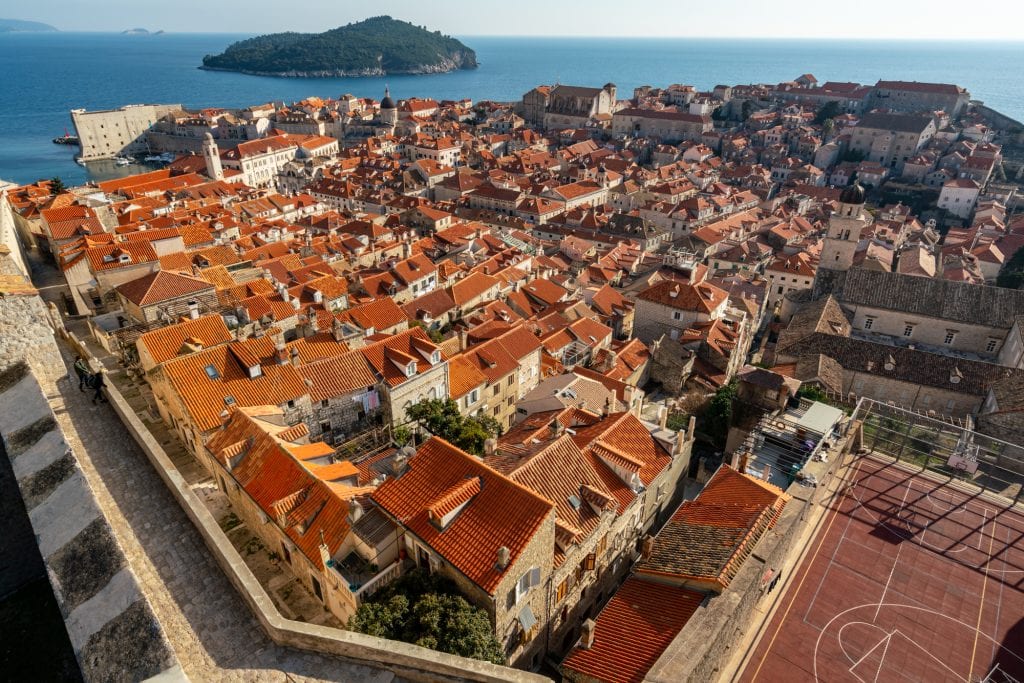
I recommend starting early to avoid the crowd and get the best view of the city. It is also popular for its many Game of Thrones filming locations. You can easily recognize King’s Landing from the top of the walls.
After your wall tour, explore the narrow streets of the Old Town, which are filled with restaurants and small shops.
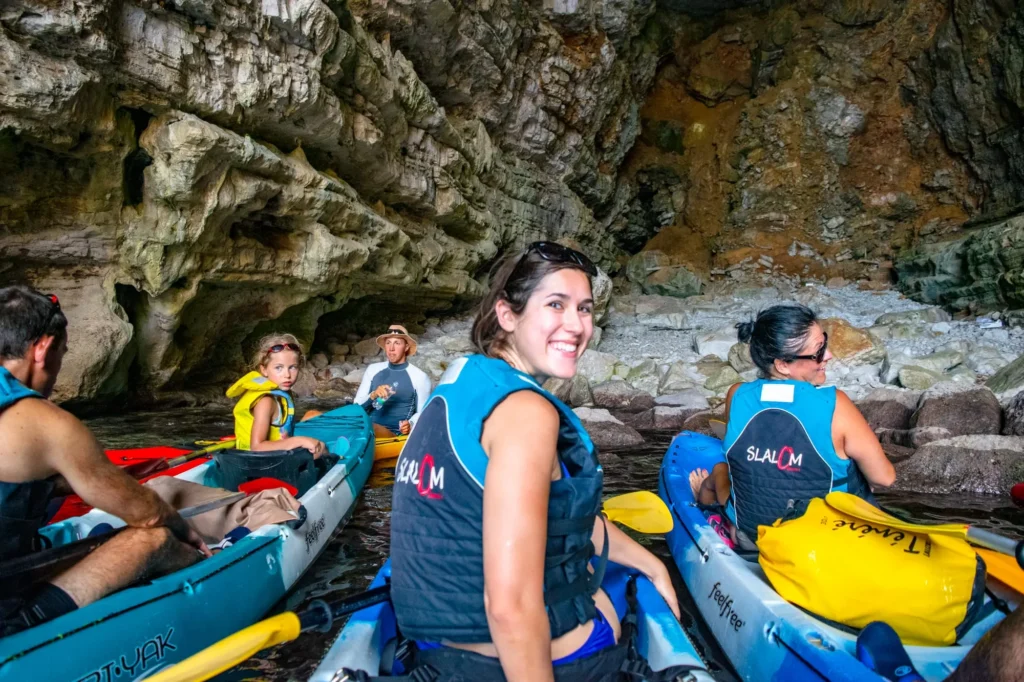
Looking for some adventure activities? Then be sure to enjoy views of the city from a kayak!
Enjoy the views of the city walls from a different angle, plus enjoy some snorkeling, by signing up for a kayaking tour.
Split
From Michael of The World Was Here First
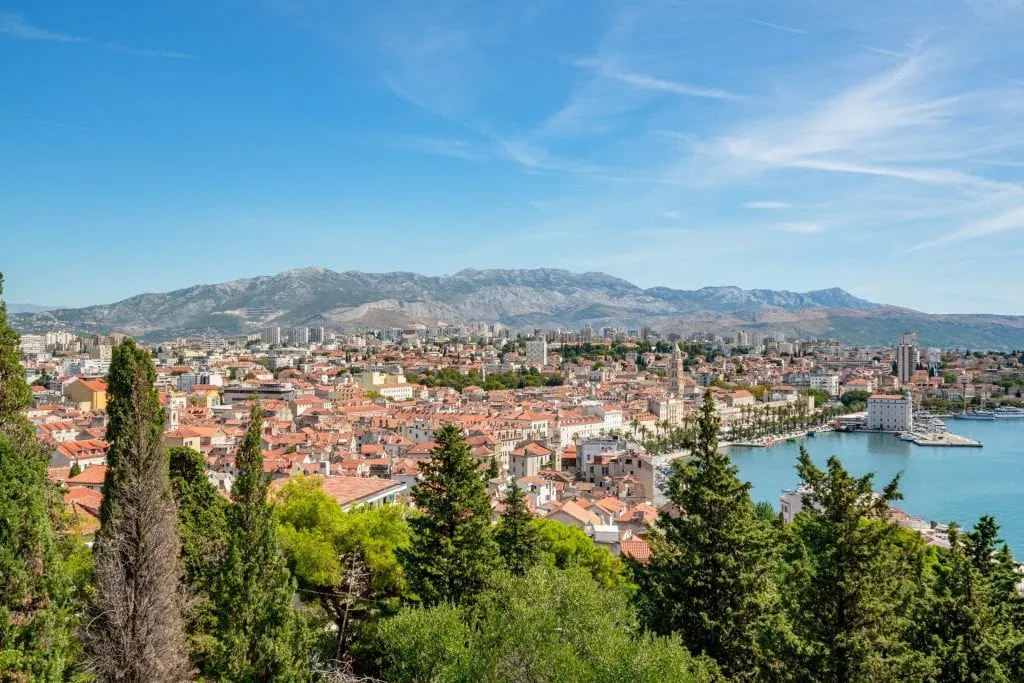
One of the best places to visit in Croatia is the country’s second-largest city of Split.
Located on the Dalmatian Coast, Split not only makes a fantastic base for exploring the surrounding towns but is also packed with interesting things to do and places to see in the city itself.
Travelers can easily spend a few days in Split exploring the highlights!
One of the best things to do in the city itself is to explore the Diocletian’s Palace area.
This is the historic center of Split, and where you’ll find interesting sites such as Jupiter’s Temple and the Cathedral of St. Dominus where visitors can climb the bell tower for spectacular views of the city.
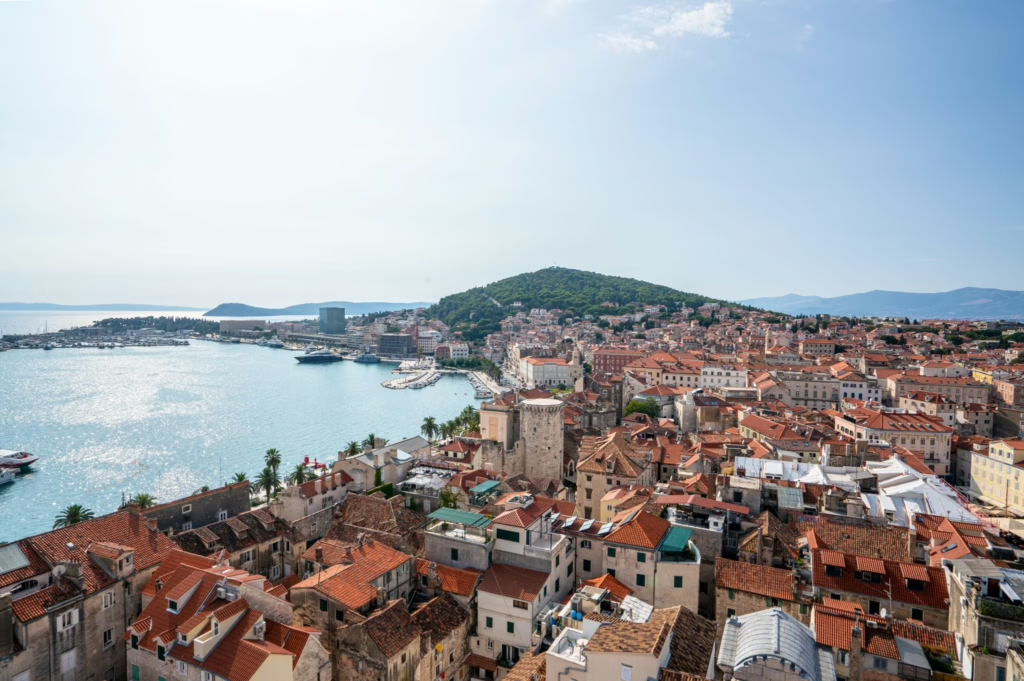
There is also a fish market nearby, which makes for great people-watching. Close by, the Split Promenade area is also fantastic for strolling and a drink!
Outside of Split, there are a number of interesting towns that can be visited as half or full-day trips.
Trogir and Omis both make for excellent half-day trips, as do several nearby beaches and small islands.
If you want to venture a bit further and see some of the country’s best waterfalls, Krka National Park makes for a fantastic day out from Split.
Pula
From Emily of Wander-Lush
Sitting at the southernmost tip of the Istrian Peninsula, the city of Pula is one of Croatia’s loveliest Adriatic destinations.
Pula has a different feel than the more popular Dalmatian Coast, but a similar history that includes chapters under Roman, Ostrogoth, and, of course, Venetian rule.
The city is best known for the Pula Arena, one of the best-preserved Roman amphitheaters anywhere on earth.
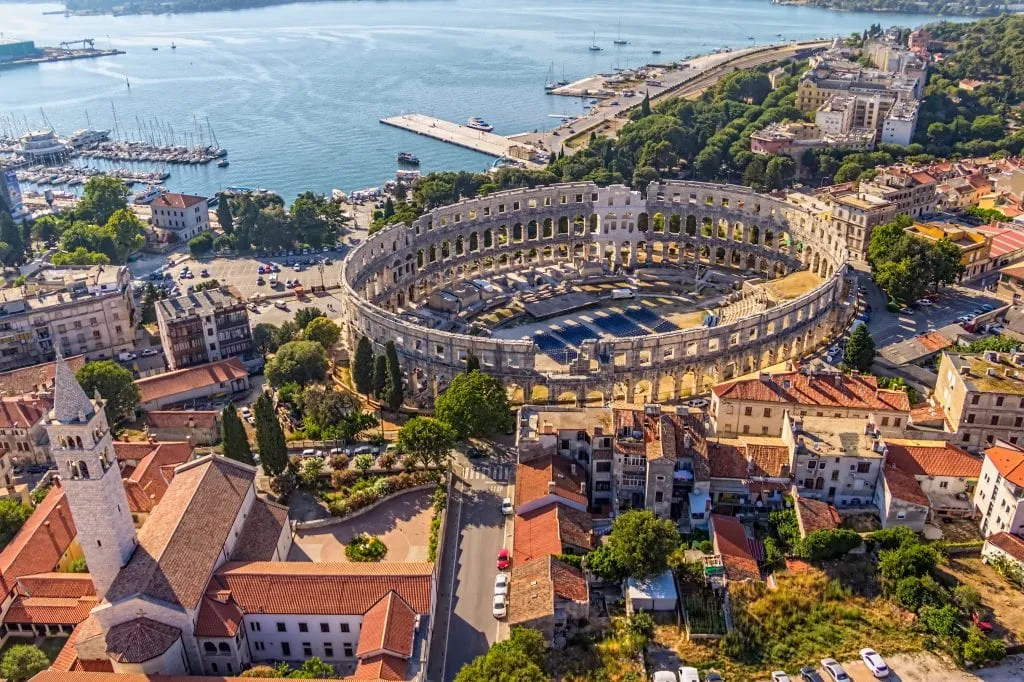
Constructed from limestone between 27BC and 68AD, it stands an impressive 98 feet tall on a hill in the center of the city. There is a small museum inside the complex, but it’s equally nice to just walk around the perimeter of the ruins and admire the archways.
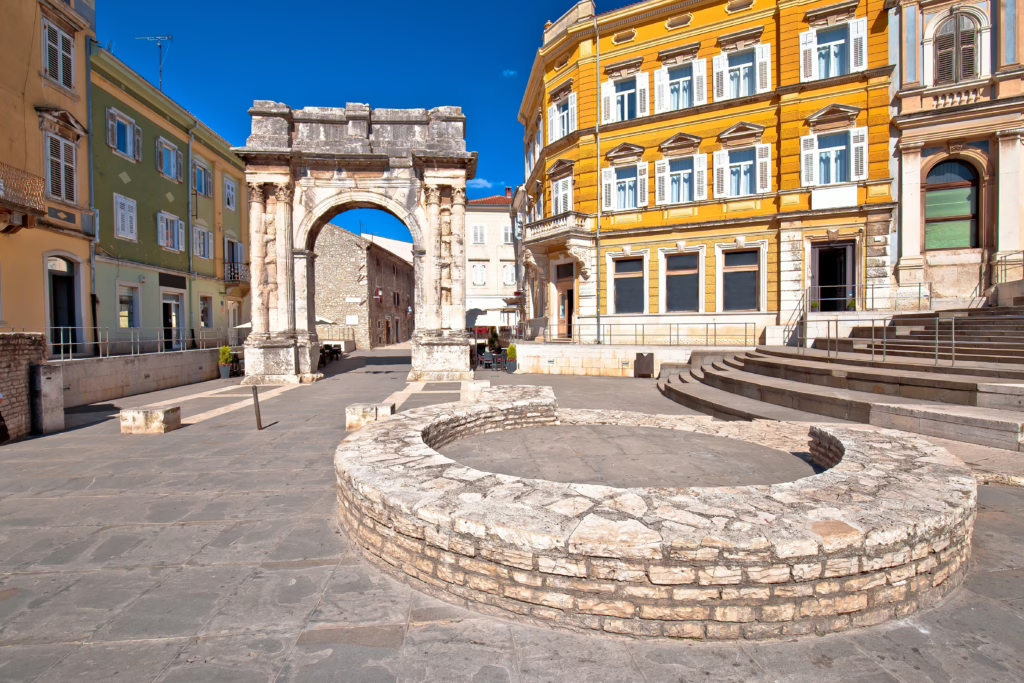
There are a number of other important ruins scattered around Pula, especially near the seafront, below the castle. The Temple of Augustus, Arch of Sergeii, and Roman floor mosaics are all worth seeing.
Other things to do in Pula include visiting the Istrian Olive Oil Museum, climbing up to the Fortress Kastel, and eating fresh seafood at a restaurant overlooking the main plaza.
Pula is a summertime destination that is very quiet in the offseason. For a day trip, you can easily travel from Rovinj to Pula by bus or car, as the two cities are less than an hour’s drive apart.
Rovinj
From Lori of Travlin Mad
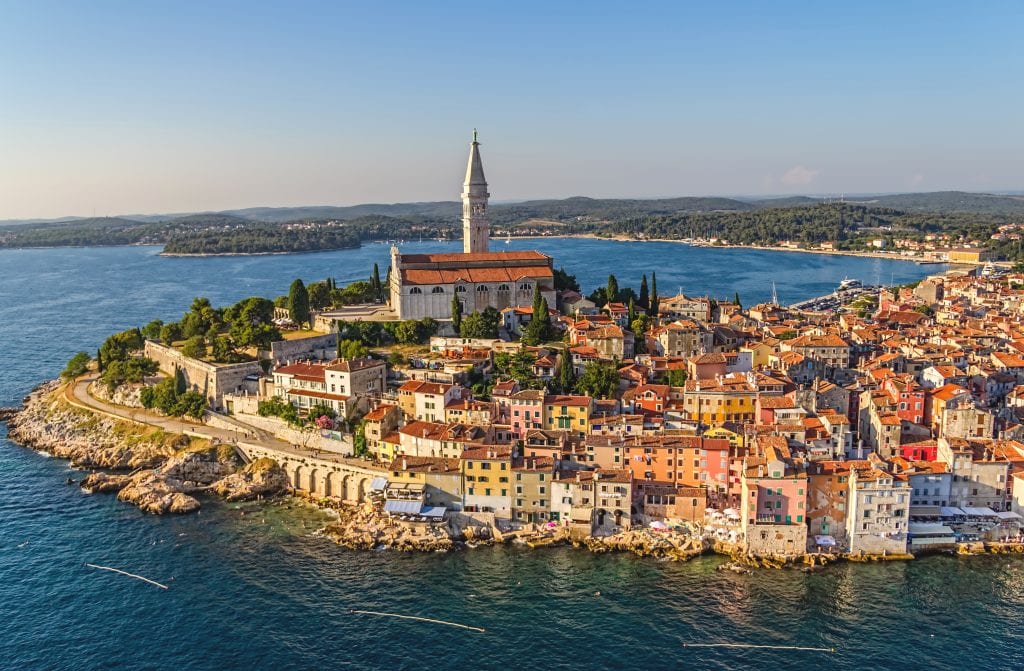
If you like your Croatia island-hopping with a side of Old World Venice, then you should add the Venetian city of Rovinj to your Croatia itinerary. This coastal town on the Istrian peninsula was long a part of the Venetian empire and has a lovely Italian flair.
Old Town Rovinj is meant for strolling and hanging out in cafes, enjoying a Spritz or espresso, or long lunches of pasta or fresh seafood. Don’t miss La Puntalina for some of the region’s best foodie experiences in one of the prettiest locations in the city.
When you leave the cafe, browse the local shops for Croatian souvenirs, taste locally produced wines and olive oils, and visit the daily street markets.
Be sure to visit the 16th-century Church of St. Euphemia that towers over the historic town, and to take a boat tour to the small surrounding islands to visit hidden coves and secret beaches.
The several waterfront areas in Rovinj are perfect for strolling or bike rides. And when you’re ready to explore outside the city, take a day trip into the surrounding towns, some of the most historic towns in Croatia.
Trpanj
From Josefine and Dominik of Red White Adventures
Are you interested in swimming in some of the bluest water in the world while watching incredible sunsets every evening? Well, that’s Trpanj for you!
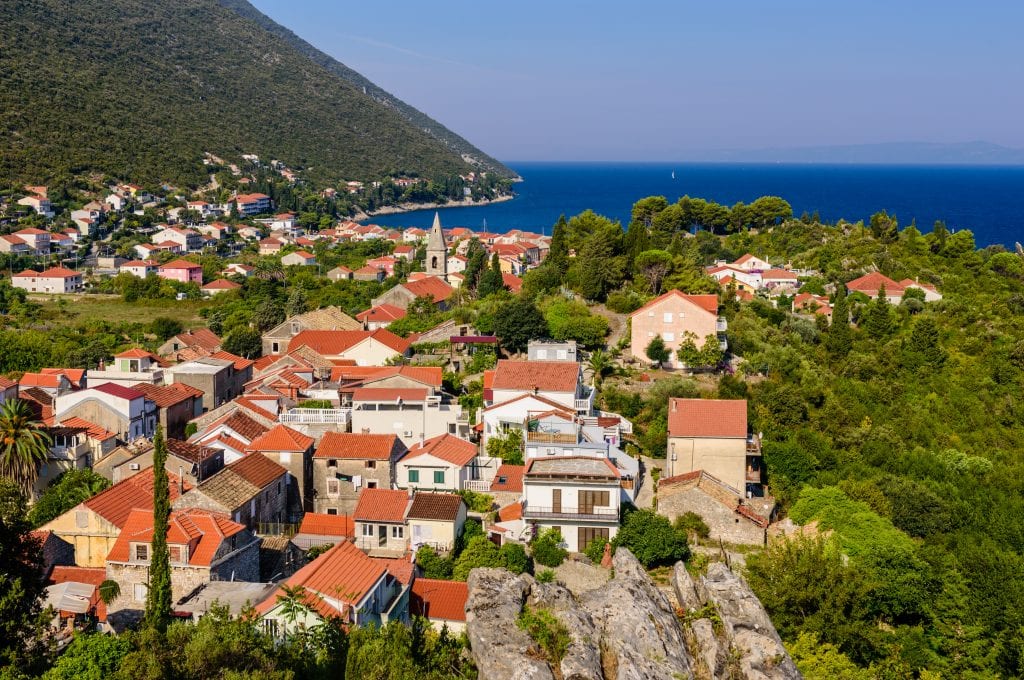
This quiet little town is set on an island between Dubrovnik and Split. With historic landmarks and cute little local restaurants, Trpanj is a fantastic getaway if you’re looking for something a bit quieter and peaceful that will blow you away with its nature and history.
You can enjoy walking around the island and hiking up to the peaks of the mountains if you’re looking for some exceptional views.
Trpanj may be the best place to watch the sunset near Dubrovnik–or at least tied with Mt. Srd in Dubrovnik. Be prepared for some magical evenings!
Regarding how to get to and from Trpanj, there is a ferry that runs daily from Ploce and back, so it’s very easy to and from the mainland.
Ploce is also a regular bus stop, for all the busses going up and down the coast.
Zagreb
From Disha of Disha Discovers
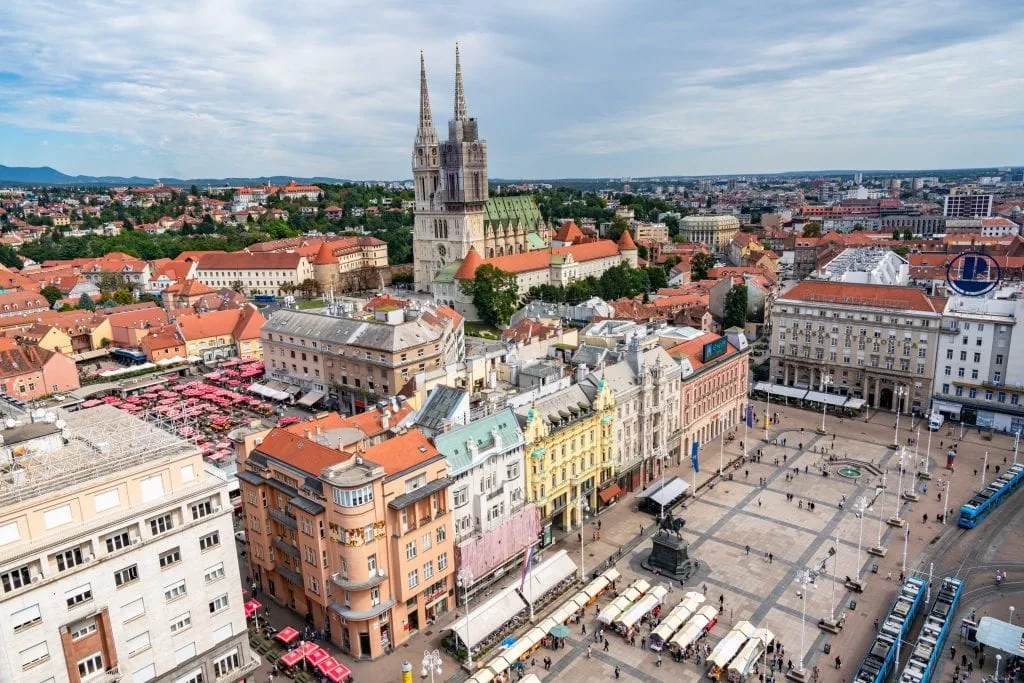
While it’s often overlooked when travelers put together their Croatia travel wish list, the country’s colorful capital of Zagreb is bucket-list-worthy.
Tourists tend to overlook Zagreb because it doesn’t have idyllic views of the Adriatic Sea, and they think it’s just another big city.
However, this city is filled with charm and so many fun things to do. This underrated city has something in store for every traveler.
There are countless reasons to visit Zagreb.
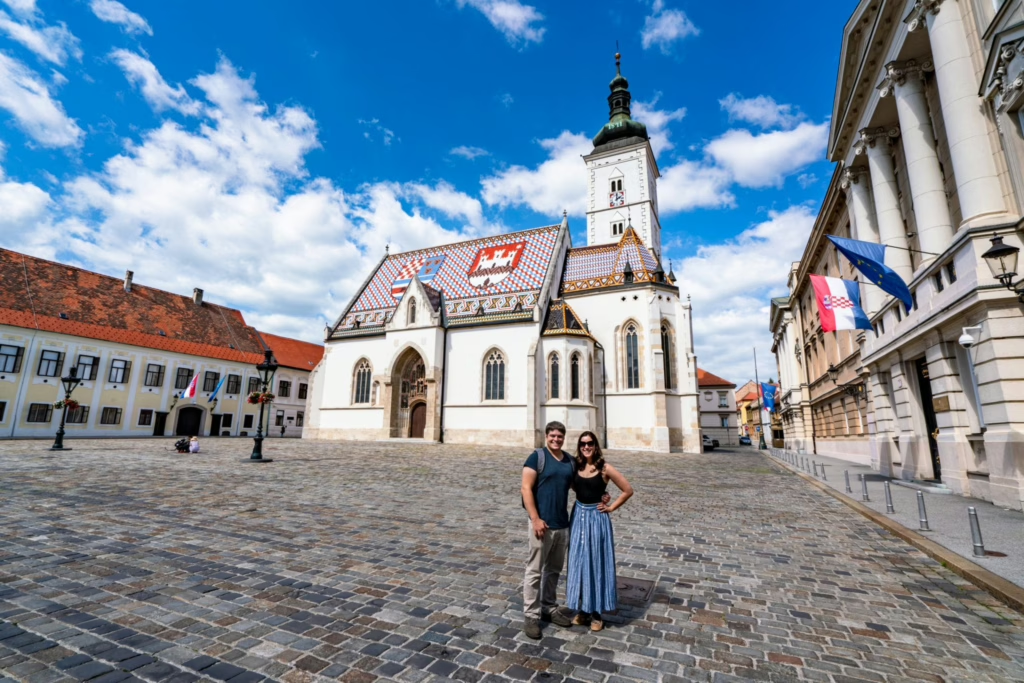
It’s easy to navigate with a compact city center. It’s small enough to explore everything on foot, yet it feels grand. You’ll fall in love with the Austro-Hungarian cityscape.
The coffee culture here is also serious. You can find a cafe that serves a delicious cup of coffee pretty much anywhere in the city.
The food scene is equally incredible with delicious local food and other international foods. Finally, the locals are warm and welcoming and will make you feel right at home.
Some of the best things to do in Zagreb are to visit the Zagreb Cathedral, explore King Tomislav Square, go window shopping along Ilica Street, wander the streets of Old Town Zagreb, try the local craft beer, discover history at Zagreb Mirogoj Cemetery, and so much more.
Rastoke
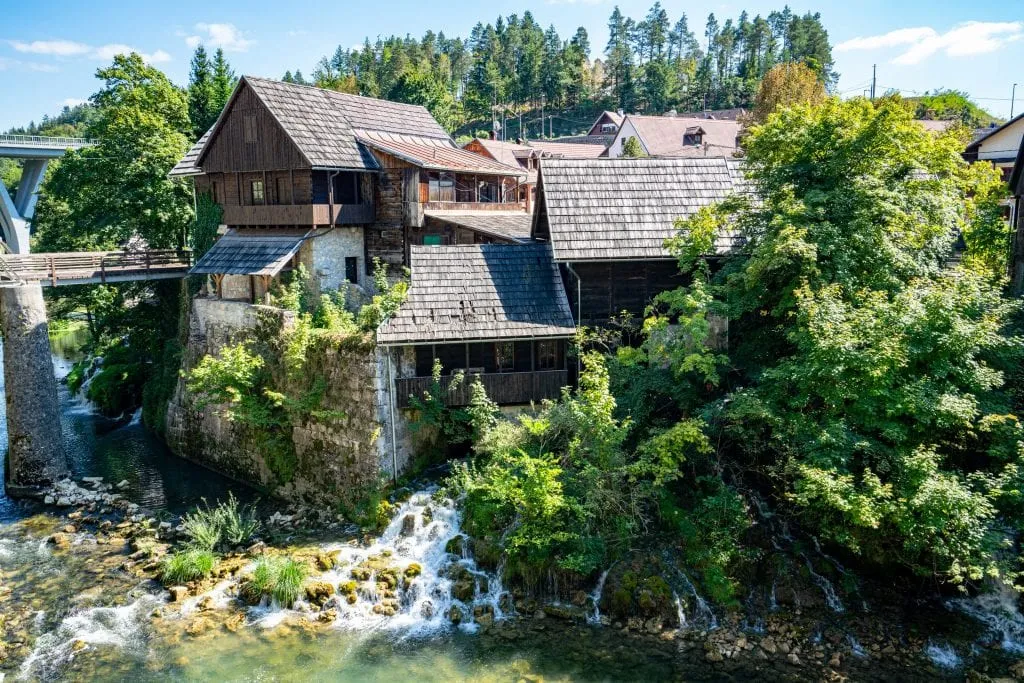
This tiny village in Slunj is known for exactly one thing: the cascading waterfalls that run literally through the town! Formed by the Slunjčica River, there are 23 waterfalls in all.
And, while the strength of the waterfalls depends on recent rainfall, the village is stunning year-round.
Beautiful and picturesque, Rastoke makes an excellent stop when driving from Zagreb to Plitvice Lakes National Park.
Lined with traditional wooden homes, photographers flock to Rastoke for its unique beauty.
However, it gets a small fraction of the tourists that its neighbor Plitvice Lakes National Park does, making it a delightful, quiet place to stop for a coffee and a great view along the way.
Grožnjan
From Dzangir of Dr. Jam Travels
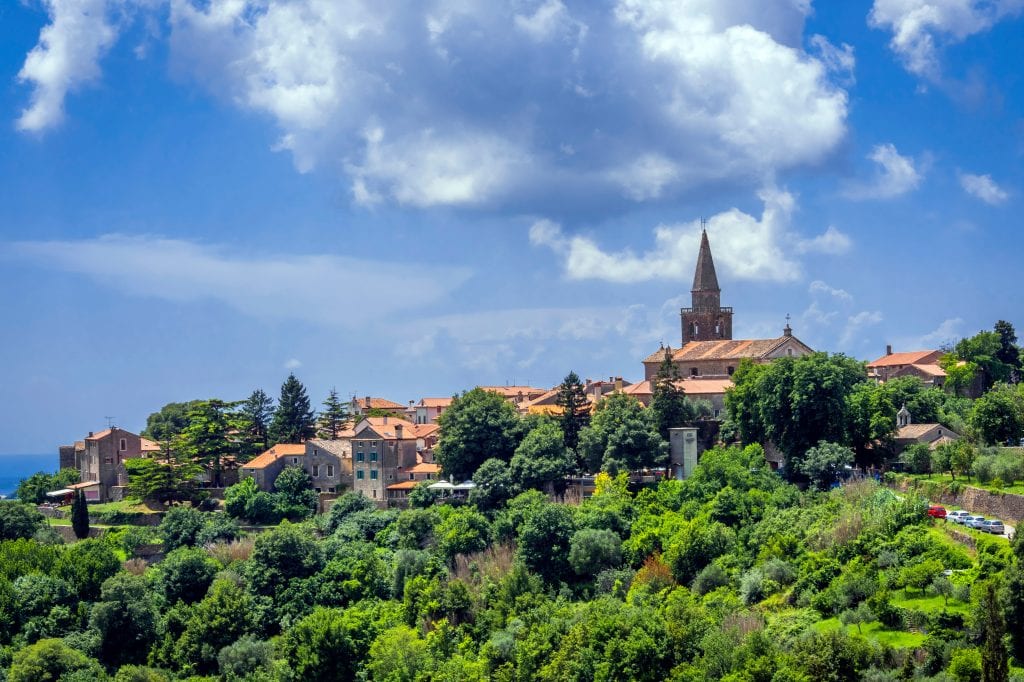
Grožnjan is a small town in inland Istria, set on a hill surrounded by olive groves and vineyards, and within 30 minutes of Buzet, Novigrad, or Umag.
This medieval settlement has a long history, from Roman times to Venetia and Austria to today’s modern Croatia.
Today, Grožnjan is known as a town of artists. In the 1960s, artists started squatting what were, at that time, empty houses.
Today, around 150 people live there with 20 galleries and many festivals. The best time to visit is from May to September when they organize an annual painting festival, Ex Tempore. Grožnjan also hosts an annual jazz festival, Jazz is Back-BP, which is held for two or three weeks in the second half of July.
The most remarkable building inside the walls is the Church of St. Vid, Modest, and Krešencije with a 36-meter-high bell tower.
Here you can walk around cobbled and narrow streets, visit one of the galleries, enjoy some music or have a drink and fritule. The best photo option is from Parenzana (the ex-railroad), as there is a beautiful view of this town on a hill.
Zadar
From Diana of Travels in Poland
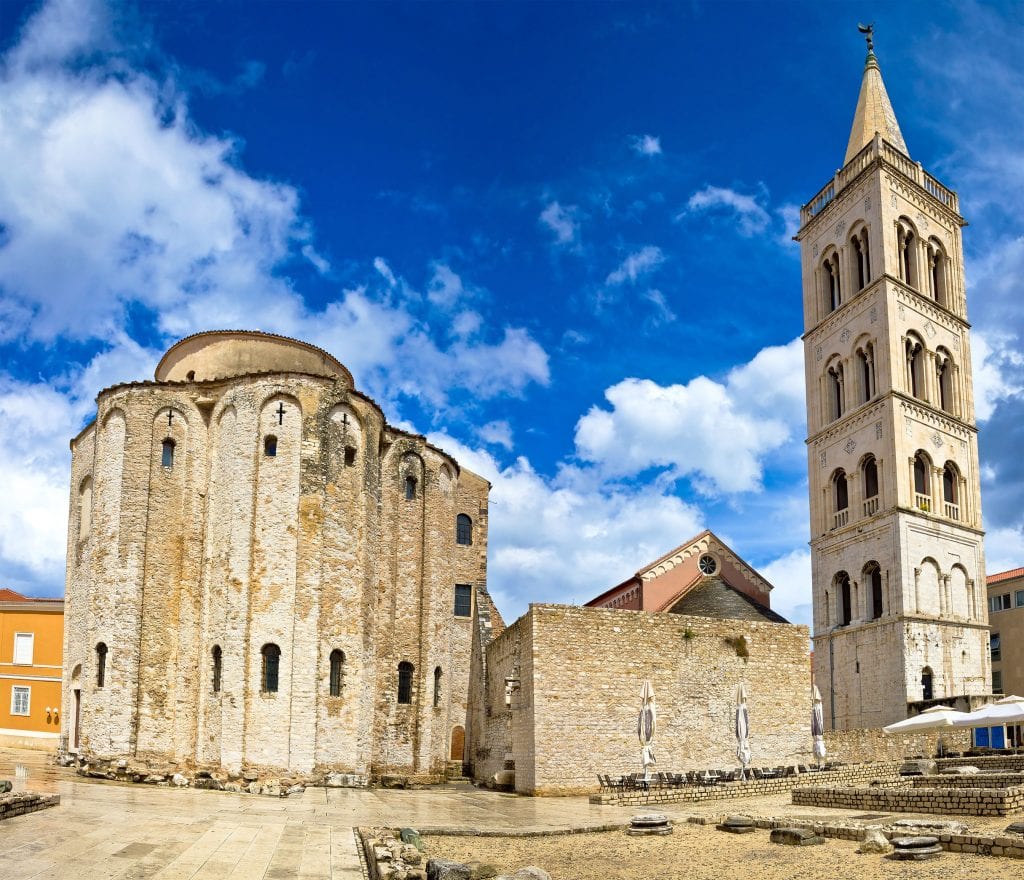
A beautiful coastal destination in northern Croatia, Zadar is a not-to-be-missed city.
With fewer crowds than some of Croatia’s more popular destinations such as Split and Dubrovnik, Zadar is a gem that showcases Croatia’s beauty, but also provides a small-town feel without the bustle of too many tourists.
There are so many fantastic things to see in Zadar that are not seen anywhere else in Europe.
The sea organ is the perfect example.
Carved into the stone of the coastline are hollowed-out chambers. When the sea laps into them, they create a vibration that sounds like a beautiful organ. This can be heard when you are right next to the organ. The natural sounds are peaceful, and you can sit atop the stone to listen to the music.
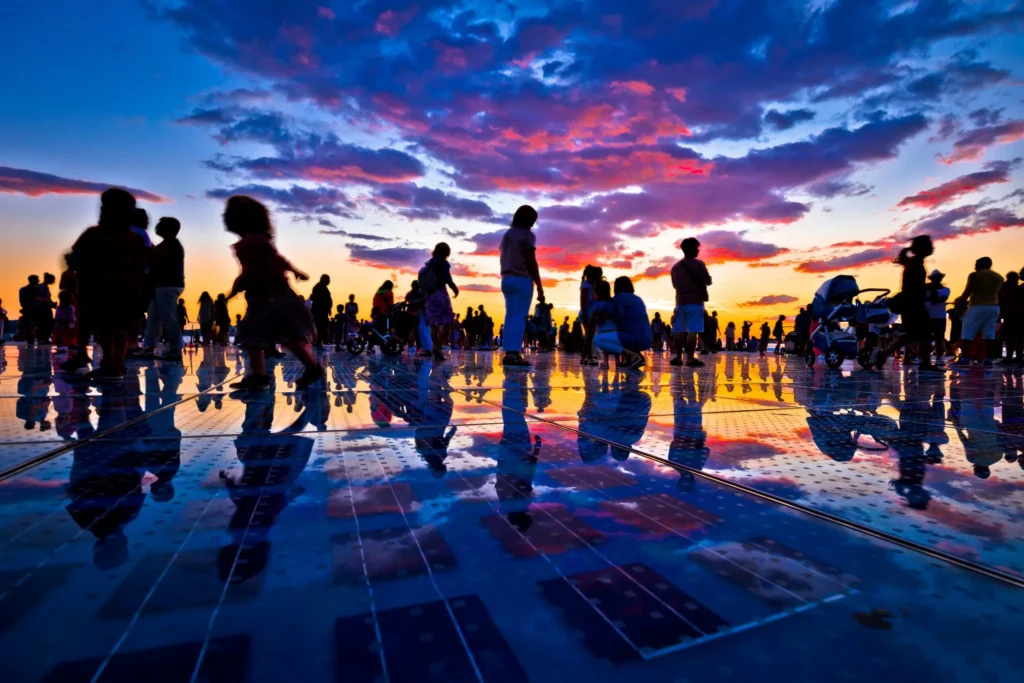
Close by to the organ is the Sun Salutation installation. Made up of glass plates, the light show that occurs at night is the result of the sun’s rays being absorbed by the glass. It’s quite beautiful, and the light show is a true marvel in the evening.
Zadar also has quite a few Roman ruins throughout the city center, with ruins from old tombs and churches scattered in one location.
Zadar’s downtown area is easily walkable and there are plenty of great restaurants to choose from.
The city also has a variety of boat rentals that can take visitors to the nearby islands for day trips, including to the incredible Kornati National Park.
Varazdin
From Dhara of It’s Not About the Miles
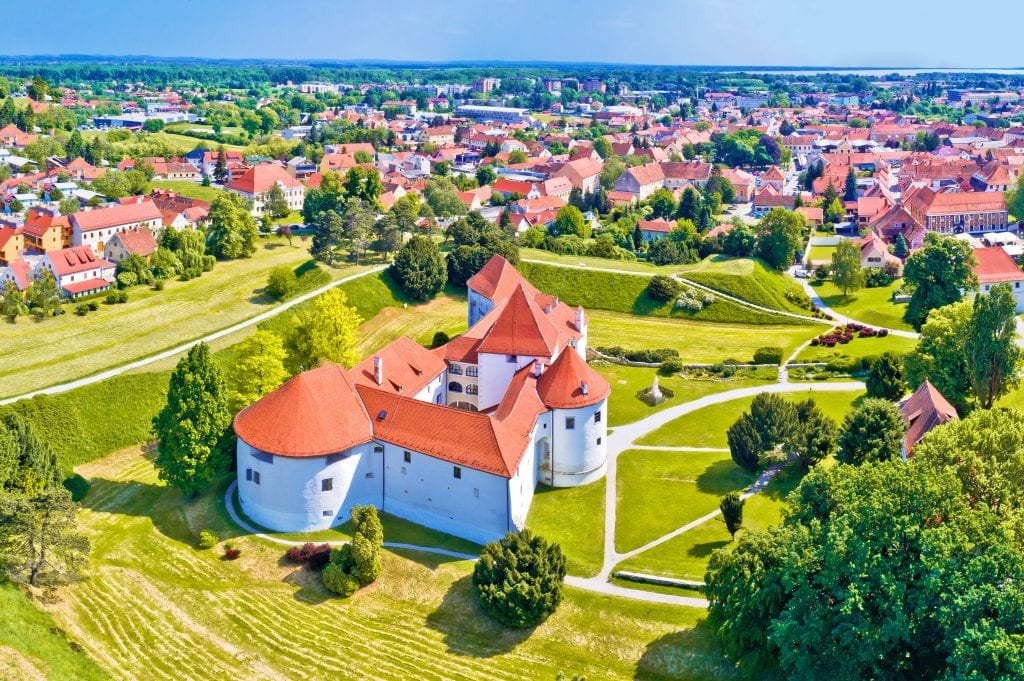
Located on the Drava River in northern Croatia, the beautiful Baroque town of Varazdin is one of the easiest and best day trips from Zagreb.
The striking architecture and history of Varazdin is dramatically different from the beach towns of coastal Croatia and is a facet of the country you must not miss!
Start with a tour of Stari Grad, the beautiful white castle at the edge of the town. The castle now houses the Varazdin City Museum, but wandering around the old castle is fun in itself.
Next, wander the streets of the town, taking in the beautiful architecture on every street. In particular, don’t miss the stunning 17th-century Sermage Palace, a Rococo dream. Today, it houses an art museum with international and Croatian masters on display.
The main square is home several beautiful buildings, including the Town Hall. The square is a great place to relax with a drink or an ice cream and people-watch.
To get to Varazdin from Zagreb, you can, of course, drive if you have a car.
Otherwise, the bus is a simple way to get to the town from the main bus station in Zagreb and back. Service is frequent, and you can buy a return ticket on the day of your visit.
Omiš
From Coni of Experiencing the Globe
Croatia’s capital of adventure, Omiš, is full of amazing things to see and do, both for the thrill-seekers and for those looking for a relaxed time. Only 20 kilometers southeast of Split, nestled in the canyons of the Cetina River, the city rewards its visitors with magnificent views from every angle.
The Old Town is a typical terracotta-roofed Dalmatian settlement, with a strong influence from Venetian architecture.
It’s crowned by the fortress of Mirabella, a 13th-century tower used by pirates to watch over the Channel of Brač for passing merchants.
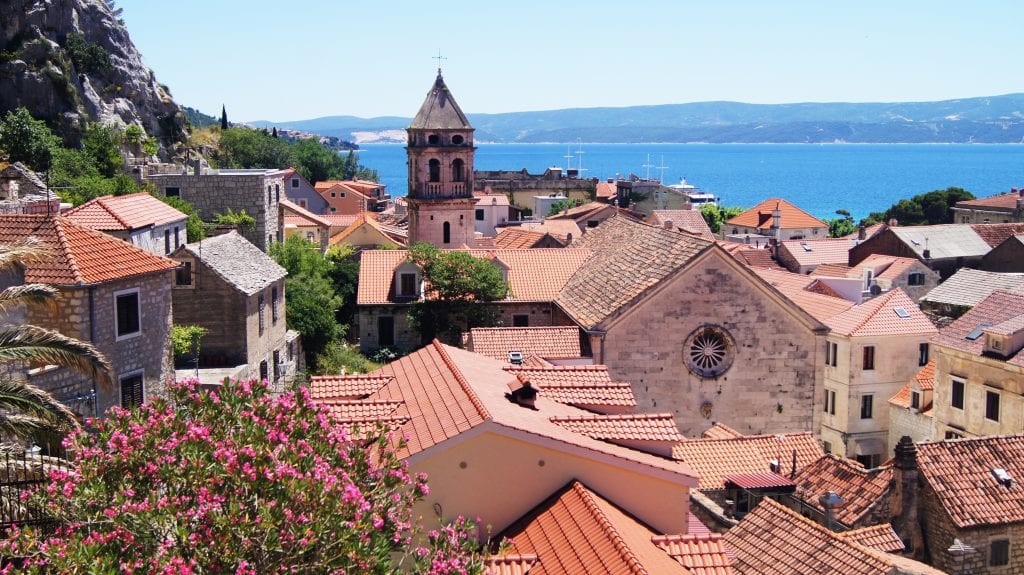
For athletic visitors, there’s another fortress, Fortica, on the top of the hill overlooking Omiš that provides stunning vistas of Brač, Hvar, and Šolta Islands, the river canyon, and the surrounding mountains.
While beachgoers will have a great time in the sun-blessed seaside of Omiš, the surroundings of the city are an open invitation for adrenaline chasers.
You can fill your days with rafting, ziplining, hiking, snorkeling, canyoning, windsurfing, and rock climbing.
There are many Croatia travel tips to consider, but for Omiš in particular, don’t forget to bring water shoes and hiking boots to be fully prepared for your adventure.

Šibenik
From Lyndsay of The Purposely Lost
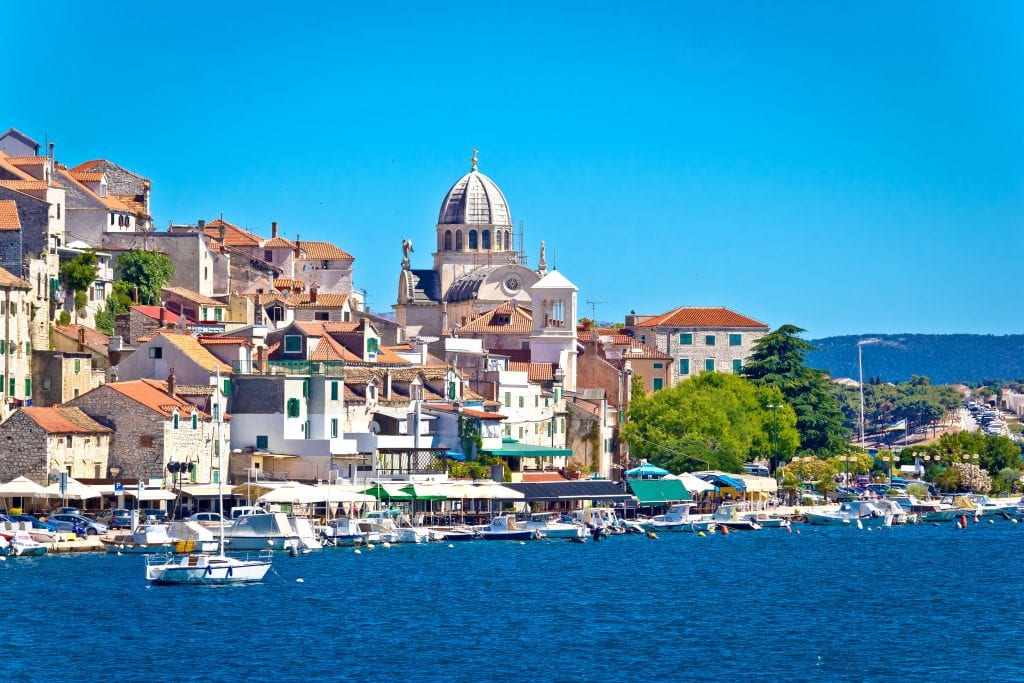
If you’re interested in finding the best places to visit in Croatia, you need to check out the many cool things to do in Šibenik.
Before being occupied at various times by the Venetians, the Byzantines, and the Hungarians, Šibenik was founded by the Croats and even once operated as the home of the Croatian king.
Much of the ancient Old Town was built of stone, such as the Cathedral of St. James, which has been transformed back into its Middle Ages glory, and many other buildings throughout the Old Town.
Since Šibenik sits right on the coast, go for a stroll along the Riva or explore one of the city’s three former fortresses.
There are many ferry options accessible from the Riva, which will take you to several different locations, like any of the stunning islands just off the mainland’s coasts.
Šibenik is also a great home base due to its accessibility to several of Croatia’s national parks, especially Krka National Park.
Vukovar
From Kamila of My Wanderlust
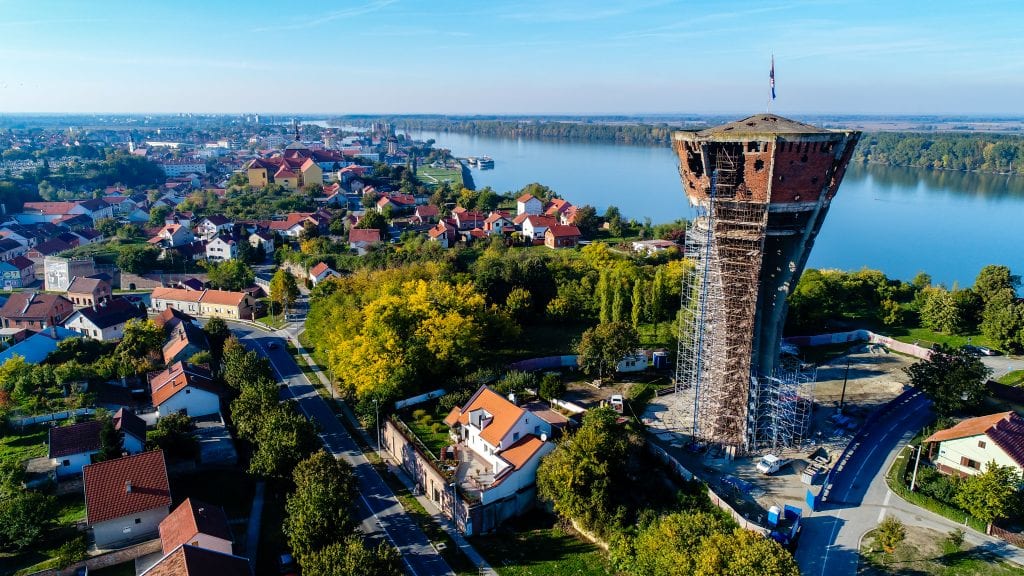
Vukovar isn’t a very popular place to visit in Croatia, but it surely is among the most important places in the country’s history.
The town of around 27,000 inhabitants is in the eastern part of the country near Osijek, near the border with Serbia.
The whole world learned about the place in 1991 when the dramatic battle of Vukovar, the first episode of the cruel Yugoslav Wars, took place here.
The city was under siege for 87 days, and eventually, it was captured by the Yugoslav Army in November 1991. 99% of the city was destroyed, thousands of people lost their lives, and today Vukovar has the title of Croatian heroic-city.
The worst events took place in the local hospital, where you can now see the memorial space telling the story of the 1991 tragedy and showing how the institution used to work at that time. The symbol of the town, the destroyed water tower, was left intact after the war to remind people of the resistance of Vukovar.
Most of the buildings are now renovated, and Vukovar is a really pleasant place to visit with the lovely center. The Baroque Eltz Manor from the 18th century that hosts the city museum, and the Franciscan monastery with St Philip and Jacob Church (the third-largest church in Croatia), are both worth a visit.
The Danube River flows through the city and offers plenty of activities too, especially in the summertime.
Croatian Islands + Beaches to Explore
Hvar
As one of the most popular places to visit in Croatia–not to mention the home of one of the most iconic views in the country–it’s no surprise that Hvar can struggle with crowds during the popular summer months.
Look away from the party scene, though, and you’ll still find plenty of reasons to visit this gorgeous island.
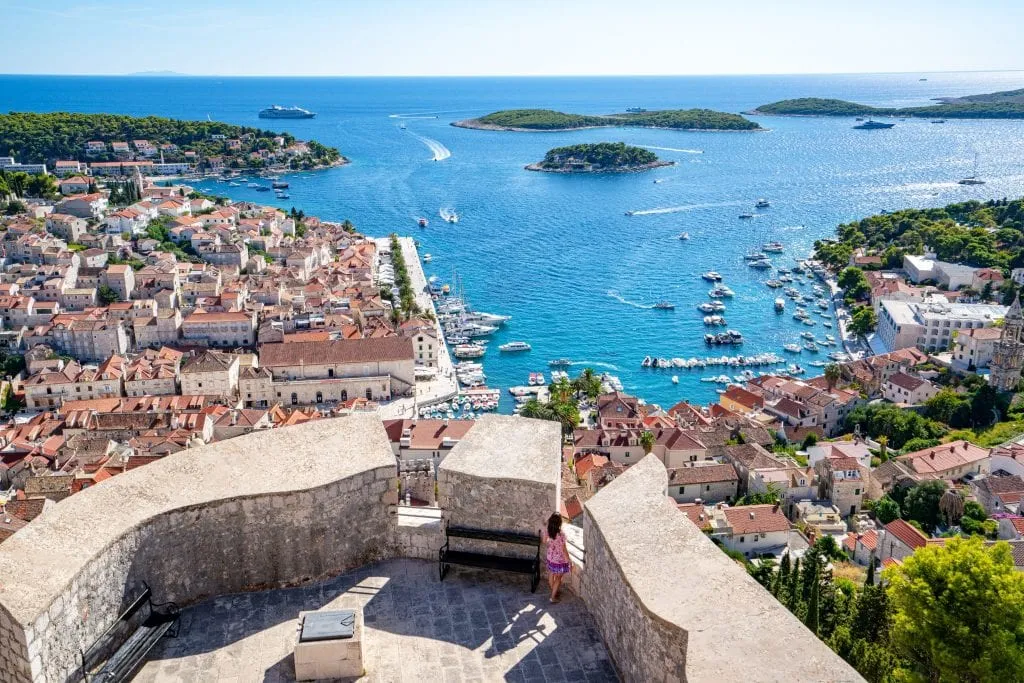
Hvar Town, where you’ll find St. Stephen’s Cathedral, the Spanish Fortress (which is home to the impressive view in the below photo), a charming Venetian loggia and clocktower, and a quiet Franciscan Monastery, is the center of tourism on the island.
From here, you can jump off to the Pakleni Islands, the blue and green caves, or any manner of other day trips.
Other corners of Hvar, like Jelsa, are quieter but also well worth a visit if you’re looking to kick back and relax.
Hvar is known for its lavender fields, and while they take a bit of effort to find, if you happen to be visiting during the summer, it’s worth tracking them down!
Kornati National Park (Kornati Islands)
From Ilse of Digital Travel Couple
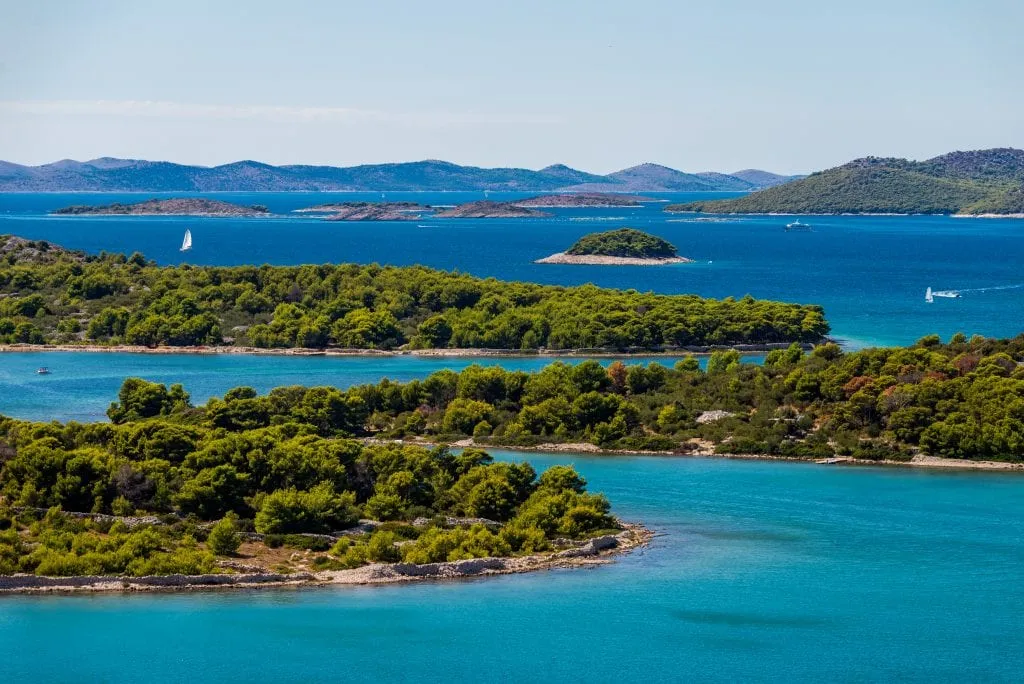
The Kornati islands are a spectacular archipelago including 109 mostly uninhabited islands.
Located in between Sibenik and Zadar, this national park is one of the best places to go in Croatia for everyone looking for a sunny day trip with lots of sea activities and natural beauty.
An excursion to the Kornati islands can be organized from Zadar, Sibenik, or Split. You can sail along the islands, explore several coves, go swimming and snorkeling in the crystal clear blue waters, hike to one of the hilltops, or go diving.
Along the way, there are plenty of options for bird and animal watching. With all these amazing activities it’s easy to understand why the Kornati Islands have been designated a national park.
It is advisable to buy the entrance ticket to the park in advance at a ticket agency because the entrance fee is almost twice as expensive at the park.
Alternatively, you can book an organized day trip like this that will handle the logistics for you. These generally include the boat ride, the entrance ticket to Kornati National Park, lunch, and a guide.
Brač
From Sharon of Baby Journey
A trip to Croatia wouldn’t be complete without visiting one of its islands, and Brač is the perfect one to have on top of your list of places to see in Croatia!
Brač is famous for its stonemasonry, olives, and wine, and during any visit; it’s easy to check out all of these must-dos.
The main town, Bol, is also worth a visit and has a lovely waterfront area. It’s also home to Stina Winery so there is no reason not to try the local flavors. Muzej uja, or the Olive Oil Museum, is also a place to visit to learn more about their traditional methods of producing olive oil and to have a tasting.
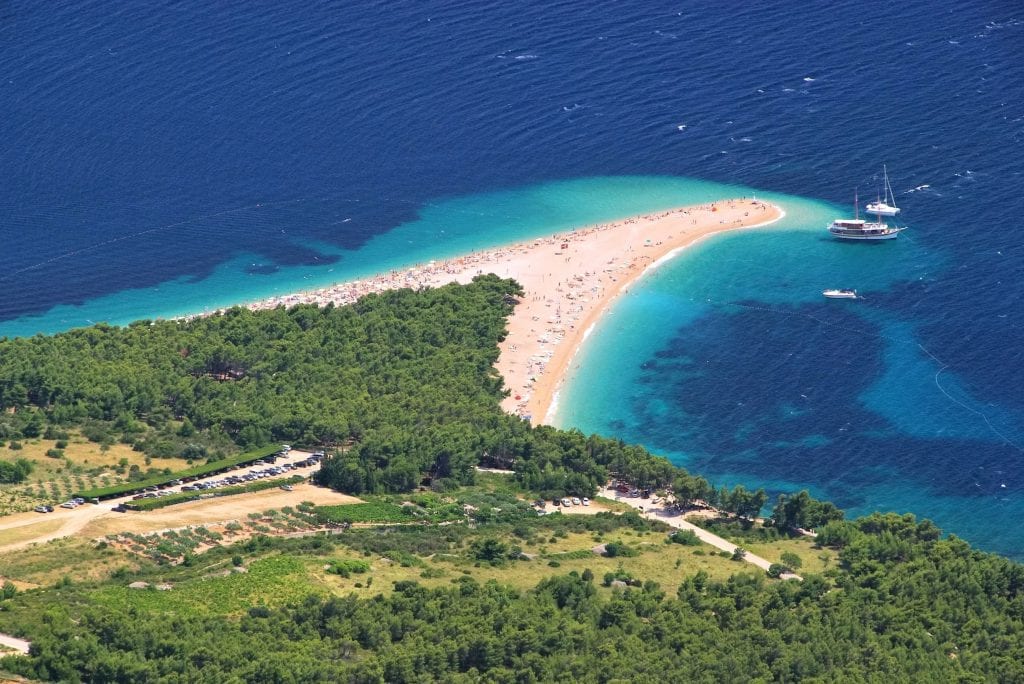
Being an island, there are also many beaches and its prime attraction is Zlatni Rat, often listed as one of Europe’s best beaches.
This title is deserved. It’s located on a spit of land that stretches into the Hvar Channel with beaches on both sides and a pine grove.
This gorgeous island is close to Split and easily accessible by ferry. There is a great view on the way in of this mountainous island which also means lots of views while exploring.
Koločep
From Angela of Where Angie Wanders
One of the loveliest places to visit in Croatia is Koločep, one of the six Elaphiti Islands near Dubrovnik. A 40-minute ferry crossing from Gruz Harbour will take you to the small bay on Kolocep where you can start to discover the island’s charm.
Kolocep is not particularly geared up for tourism as it only has a couple of tavernas, a general store, three restaurants, a few local places to stay, and one chain hotel.
It’s when you head away from the pebble beach and harbor and start exploring Koločep’s hiking trails, which criss-cross the island through its pine forest, that you understand why it is such a magical place.
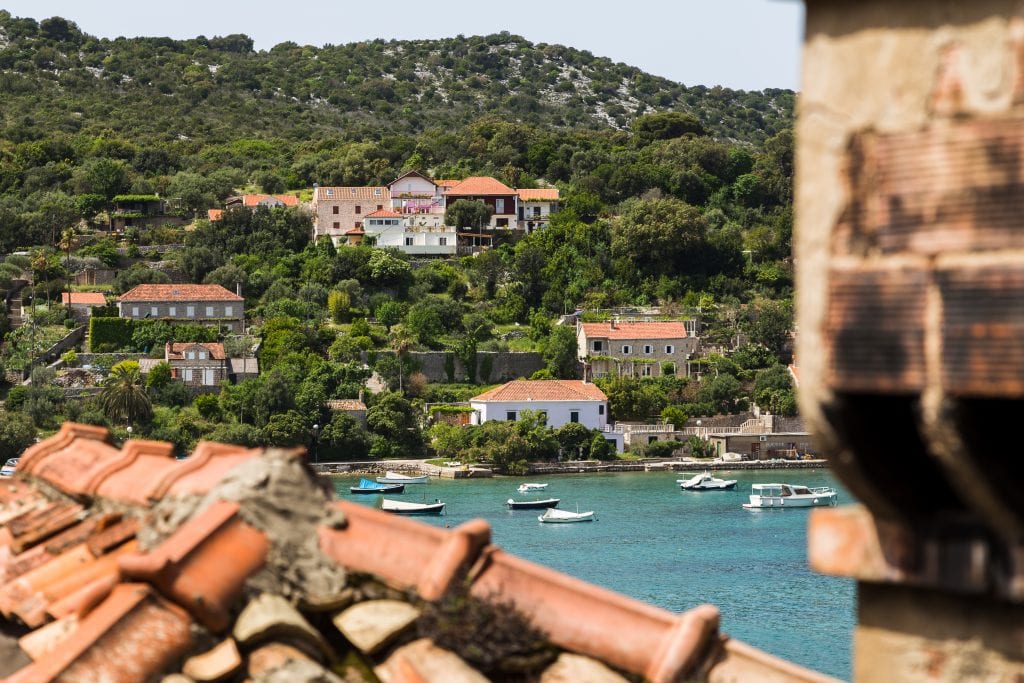
Discover Romanesque churches, a quirky lighthouse, traditional fishing villages, and lots of cats.
And when you want to cool off, the azure waters around the island invite you in for a swim. Koločep’s Blue Cave is on one of the hiking trails and can be entered once you are in the water. Secluded rocks offer private sunbathing spots close to the cave.
A trip to Koločep can be combined with a visit to another of the other main Elaphiti Islands, Lopud, and Sipan.
If Koločep is your last stop of the day, make sure to watch the sun go down over the island with a crisp glass of Croatian wine from the local taverna by the ferry port – a perfect end to the day.
Croatia’s Blue & Green Caves Near Hvar
From Ucman of Brown Boy Travels
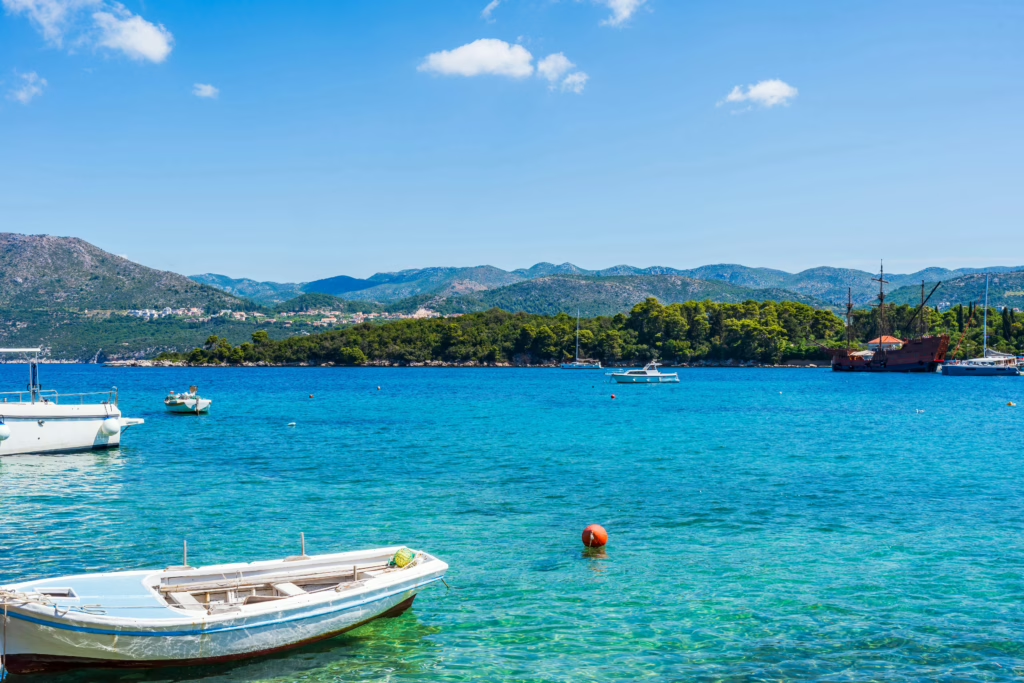
The green and blue caves are one of the most intriguing places in Croatia for travelers to visit.
The best way to explore these caves is with a day tour from Hvar, which generally take you to the Green Cave first, then to the Blue Cave as well as some beautiful beaches for lunch. It can also be done as a day tour from Split, but that option offers much less time at the caves.
The Green Cave is usually the first one that you’ll. It is an open cave, and you will stop inside. The name comes from the color of clean, clear water that appears green, and you can see all the way to the bottom of the surface, which reaches 16-26 meters deep.
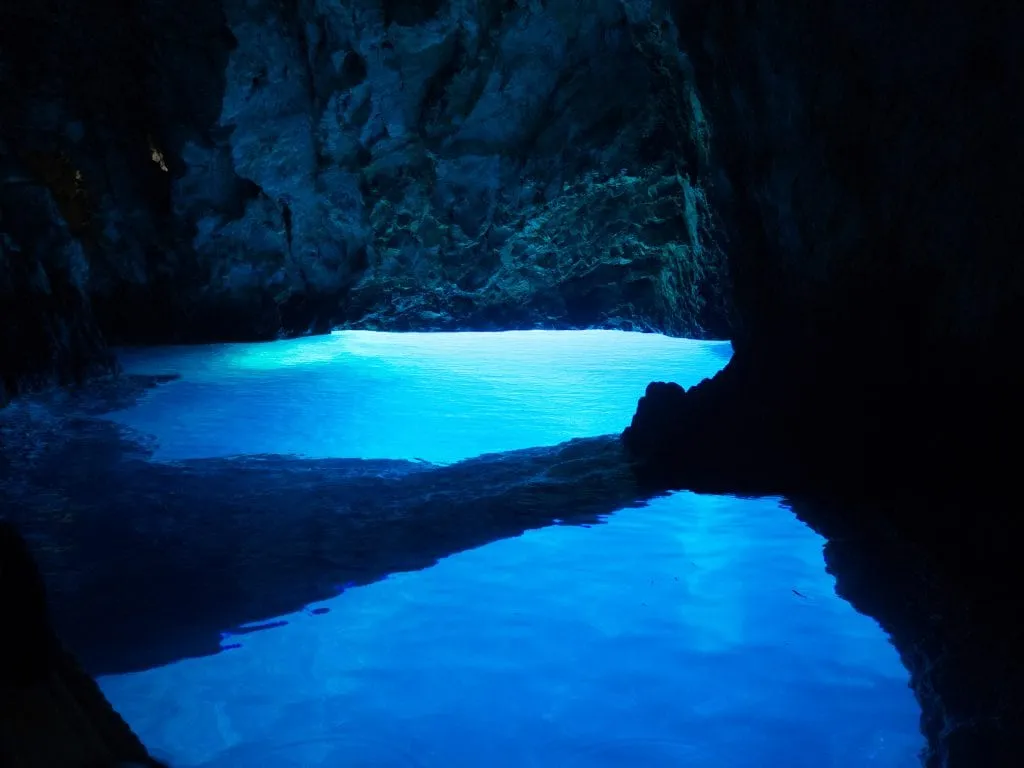
The Blue Cave is the opposite of the Green Cave, you will be brought to a beautiful island of Biševo, where you will buy a ticket and wait for your turn to head to the cave. It is on a beautiful island, and you can relax on the beach before and after your trip.
The boats that take you to the Blue Cave are smaller due to the low entry to the cave, and the stay inside isn’t long. It’s long is enough, though. Dip in a hand, and it feels like a scene from a fictional movie.
Korčula
From Baia of Red Fedora Diary
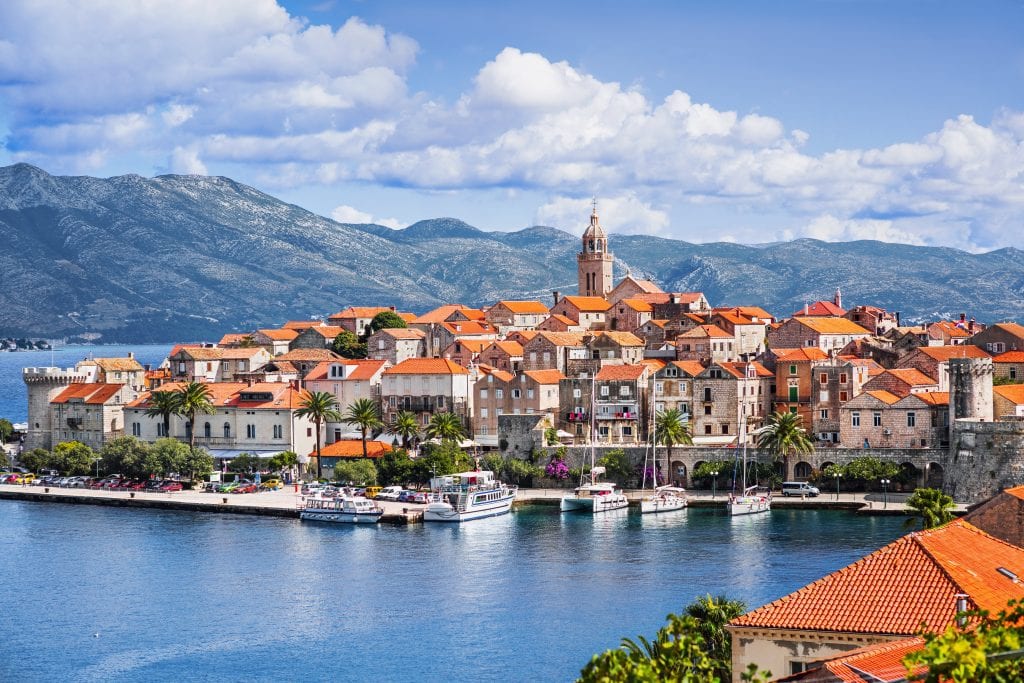
Often called mini-Dubrovnik, Korčula town is one of the most beautiful places in Croatia and well worth a visit.
Encircled by ancient walls, Korčula town is the main city to explore on Korčula Island. Considered the birthplace of Marco Polo, the town offers various attractions related to the explorer.
The town is relatively small, so there are not many things to do here. Still, your Korčula itinerary should include visiting Marco Polo’s house and museum to learn more about him and his adventures, wandering through the narrow cobblestone streets, sunbathing on the coast with gorgeous views of the fortified town, touring the magnificent cathedral, overlooking the town and the shore from its bell tower, and trying local wine called Grk, to name a few.
Getting to Korčula town is relatively easy from any of the major cities along the Dalmatian Coast.
Daily ferries run from Dubrovnik, Split, and nearby islands such as Hvar and Brač. During the high season, these ferries may even run twice daily. However, during the shoulder or low season, it’s best to check the schedule.
Mljet National Park
From Roxanne of Faraway Worlds
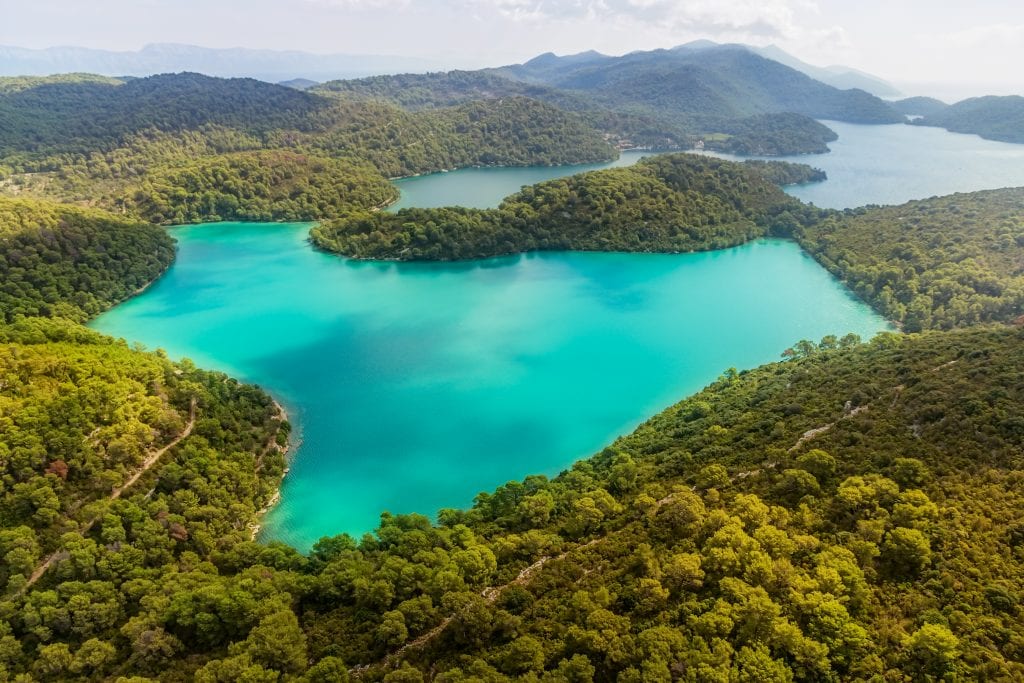
Covered by forest and surrounded by crystal-clear waters and a stunning, if rugged coastline, Mljet National Park is undoubtedly one of the highlights of coastal Croatia.
The national park is on the west of the island and covers over 5,400 hectares of land and sea that feature a range of walking and cycling tracks, two saltwater lakes, and ancient ruins.
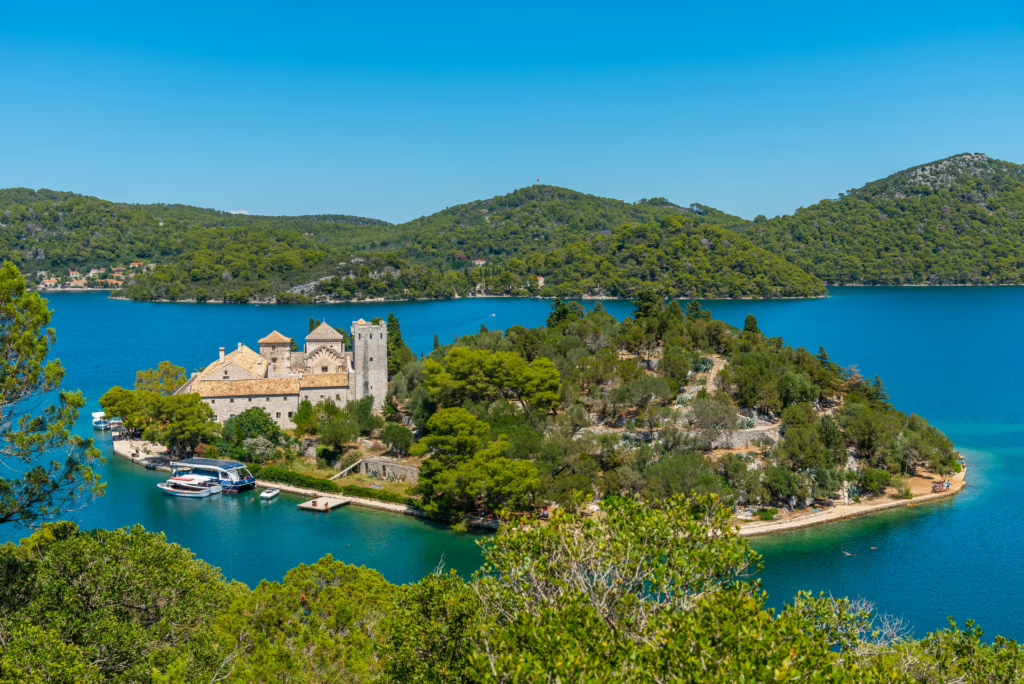
The two saltwater lakes are some of the most photogenic in the world. Veliko and Malo Jezero (Large and Small Lake) both stretch for almost 4 kilometers, with a small island in the middle of the large lake.
The island, named Sveta Marija, is home to a former Benedictine monastery (now a café) which dates to the 12th century. Visiting the island is easy – small boats regularly leave from various points around the lake. Alternatively, you can rent a kayak and paddle there in around 40 minutes.
The national park is car-free, so you can rent a bicycle or walk along the shady tracks.
To get the best views, walk up the hills and admire the stunning scenery from above. This is also a great place for swimming and sunbathing.
The water is clear, it’s easy to find an uncrowded spot to swim, and the small lake’s water is often warmer than the sea. Just take along beach shoes (especially for children) as the shores can be rocky.
Krk
From Nichola of Global Mouse
Krk Island is a wonderful getaway from mainland Croatia that is easy to access from either its seasonal airport or via the huge toll bridge that connects it to the mainland.
Once on Croatia’s largest island, there is plenty to do here, from visiting the beautiful 5th-century Krk Cathedral to the aquarium.
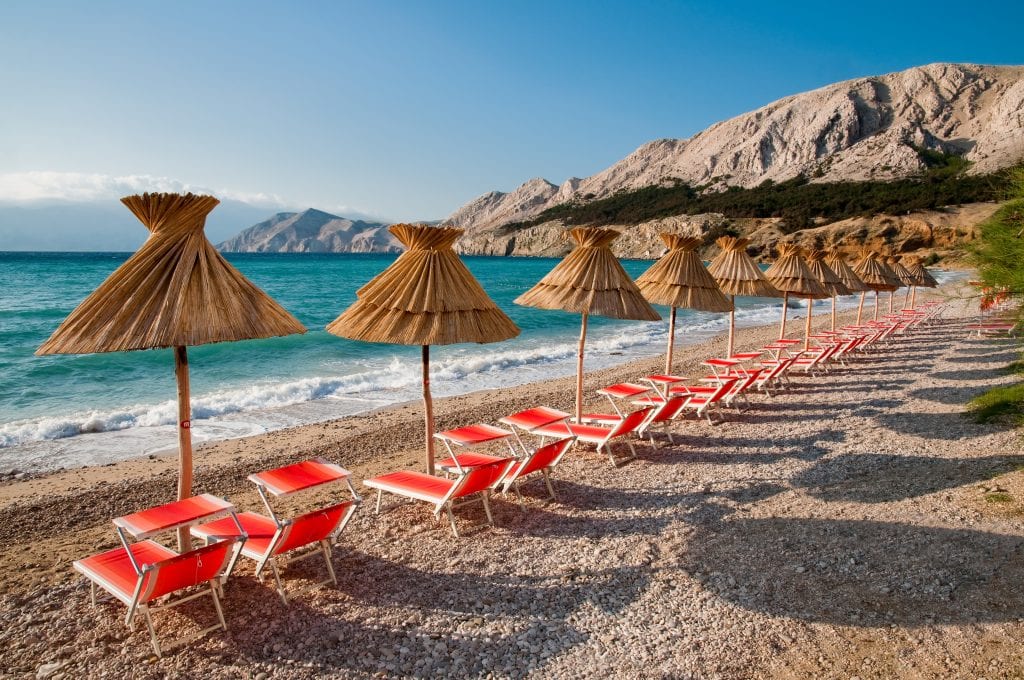
There are some fantastic beaches here, from Vela Plaža to the sandy beach at Sveti Marek. Don’t miss Oprna, often considered the most beautiful on the island.
Krk is a great island to explore by boat, and the water here is beautiful and crystal clear.
There is a scattering of towns across Krk, and the main town, Krk Town is picturesque, with cobbled streets and flower-covered alleyways. There are several restaurants and shops, making it an ideal day trip even if you’re not staying overnight.
Some of the best family resorts in Croatia can be found around Krk, too, making it a great getaway for travelers with kids.
Obonjan
From Claire of Stoked to Travel
The private island escape of Obonjan is located just a short ferry ride from the town of Šibenik, around 2 hours north of Split.
There aren’t many places in the world where you can arrange an affordable stay on a private island, but Obonjan is one of those. It’s a boutique glamping destination, with a wonderful spa, wellness offerings, and occasional weekends where a touring DJ or music act stops by.
The island is open for the long European summer, with an array of activities every day, from yoga, to stargazing, to cookery classes, and guests can get as involved as they like. Or do nothing but relax by the pool or the beach, if they fancy.
The island itself is traffic-free, but there are forest trails crisscrossing the interior that are perfect for walking or running.
The island was a Boy Scouts camp in the 1970s, and the old Olympic sized pool has been modernized and transformed with day beds and a DJ booth.
There’s still an outdoor gym, which has also been updated, and you can round up some friends for a football game on the original pitch, too.
In terms of accommodation, there are a few options. There’s the least expensive bell tent option, sharing communal bathroom facilities, then there’s the Forest Lodge which is a far more luxurious tent, with an en-suite and air conditioning. Then there are the newer Sun Lodges which are wooden cabins.
More of the Best Places to Visit in Croatia
Plitvice Lakes National Park
With its series of 16 sparkling, turquoise lakes, all knitted together by a series of tumbling waterfalls, Plitvice Lakes National Park is, without a doubt, one of the most beautiful places in Croatia (and in Europe overall!).
Come ready to hike over and around the beautiful lakes, to stare in awe of the cascading falls, to take a boat ride across the biggest lake, and to admire this stunning corner of the country from all angles.
Each season at Plitvice Lakes National Park offers something special.
While summer is the most popular season to visit, fall foliage and winter snow each also offer a compelling form of beauty to enjoy.
While Plitvice Lakes National Park isn’t the easiest to reach of the best places to visit in Croatia to access–it’s best visited by car, and is a few hours worth of driving from the popular coast–it is absolutely worth the effort it takes to add it to your list of where to go in Croatia.

Krka National Park
Recommended by Cosette from KarsTravels.
Krka National Park should be on any Croatia itinerary, it’s so beautiful with its travertine waterfalls. Krka National Park is located between Zadar and Split, in the region of Dalmatia.
Visit to enjoy the 7 waterfalls, the archeological site of Burnum, Visovac Island with a church, an abbey, and a museum. Burnum is an old Roman camp. The most popular and largest waterfall of the 7 is Skradinski Buk.
Skradinski Buk is the largest travertine waterfall system in Europe. Waterfalls drop down into a beautiful pond, which visitors used to be able to swim in (this practice ended in order to conserve the landscape).
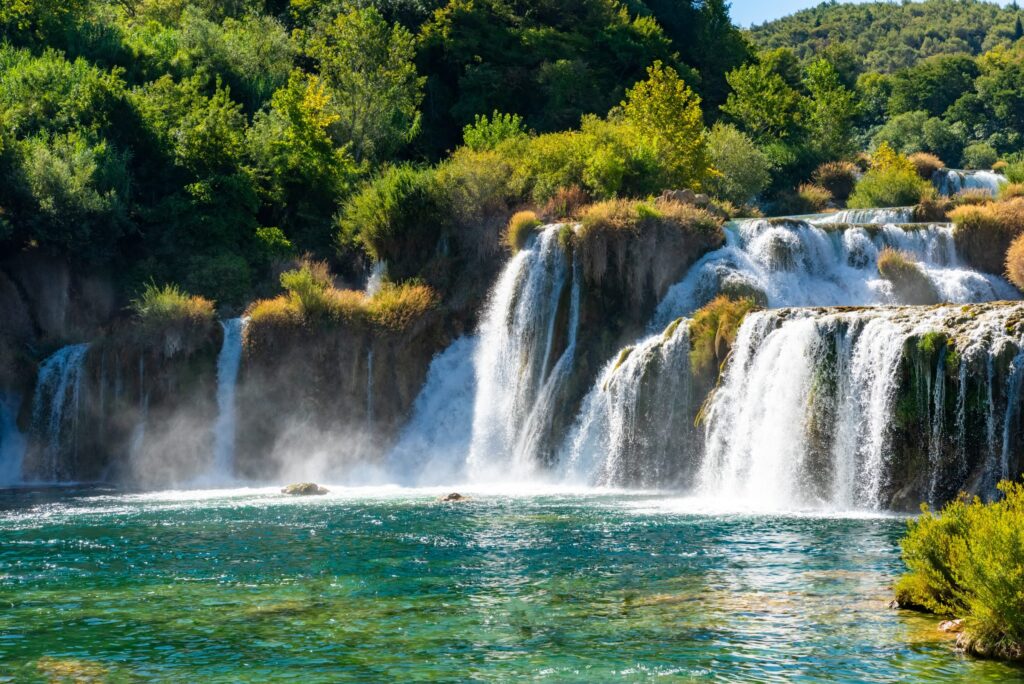
The waterfall has 17 traps with a height difference of 47 meters. The part at the pond is 100 meters in width and 400 meters in length.
Skradinski Buk is reachable on a circular 1-hour path. It’s the most popular hike in the park and offers stunning views of the waterfall from all sides.
This is, however, not the only trail available. There are 22 trails in total. Cycling is also an option in the park, with 470 kilometers of bike routes located throughout the park.
Finally, go on a boat excursion to get a different perspective on one of the most beautiful Croatia travel destinations.

Read More About Visiting Croatia + the Balkans
Excited to keep planning your trip to Croatia… and maybe some other Balkan travel destinations?
If you found this guide to beautiful places in Croatia helpful, we’d love to continue to be part of your travel planning here on Our Escape Clause!
You can browse all of our Croatia blog posts here, or check out these guides:
- Piran, Slovenia: Fun Things to Do + Travel Guide
- The Ultimate 10 Days in Croatia Itinerary
- 9 Memorable Things to Do in Mostar, Bosnia and Herzegovina
- 21 Offbeat + Cheap European Destinations to Visit
- The Perfect 2 Days in Athens Itinerary (First-Time Visitors’ Guide!)

Beautiful Croatia. So many lovely places to explore there, I can’t wait to return!
Neither can we!